.png)

.svg)



TL;DR:
- Digital touchpoints are online interactions that influence customer perceptions, from website visits to social media posts.
- Managing them consistently and with clear ownership helps SMEs increase conversions, build loyalty, and grow faster.
Digital touchpoints are defined as every online interaction point where a customer connects with your brand, from a Google search result to a post-purchase email. 89% of businesses now compete primarily on customer experience, and digital touchpoints are the building blocks that make or break that experience. 88% of consumers value the experience a company delivers as much as the product itself. For SME leaders and marketing professionals, understanding the role of digital touchpoints is no longer optional. It is the difference between a customer who converts and one who quietly leaves for a competitor.
What are the main types of digital touchpoints?
Digital touchpoints span every stage of the customer journey, from the first moment of awareness through to post-sale loyalty. Grouping them by stage makes it far easier to identify gaps and prioritise investment.
Awareness stage touchpoints are where customers first encounter your brand:
- Organic search results and Google Ads campaigns
- Social media posts and paid ads on Meta, TikTok, and LinkedIn
- Display advertising and YouTube pre-roll content
- Blog articles and SEO-driven content
Consideration stage touchpoints move a prospect closer to a decision:
- Your website, including product or service pages
- Email marketing sequences and newsletters
- Retargeting ads that follow users across platforms
- Chatbots and live chat tools on your site
Conversion and post-sale touchpoints close the deal and build loyalty:
- Checkout pages and payment confirmation screens
- Transactional emails, order updates, and onboarding sequences
- Customer support portals and help centres
- Loyalty programme communications and review request emails
Each category serves a distinct purpose. A well-designed awareness touchpoint like a LinkedIn ad gets attention. A poorly designed checkout page loses the sale. The two are equally important, and most SMEs underinvest in the latter.
Pro Tip: You do not need to master every touchpoint at once. Identify the two or three with the highest drop-off or lowest engagement in your current funnel, fix those first, and then expand.

How do digital touchpoints influence customer decisions?
Digital touchpoints do not operate in isolation. Physical, digital, and human touchpoints are interdependent, and a study of 542 individuals confirmed they jointly shape customer experience and repurchase intention. A poor experience at one point creates a negative halo that colours how customers perceive every other interaction with your brand.
The boundary between user experience (UX) and customer experience (CX) has effectively disappeared at digital touchpoints. UX design principles embedded in your website, app, or email templates directly determine whether a customer feels confident or frustrated. A slow-loading product page or a confusing checkout flow does not just create a UX problem. It fractures the customer relationship.
Consistency matters just as much as quality. Inconsistent brand messaging across digital touchpoints erodes trust rapidly, particularly among younger consumers who expect a coherent experience across every channel. If your Instagram ads promise one thing and your website delivers another, you lose credibility before the sale even begins.
The practical implication is clear. Every digital touchpoint must remove friction, not add it. Removing friction at each touchpoint is what guides users towards conversion rather than away from it. Think of your touchpoints as a relay race. Each one must hand the baton cleanly to the next, or the whole race falls apart.
Pro Tip: Audit your top five digital touchpoints from a customer’s perspective, not a marketer’s. Load your own website on a mobile device, click through your own email sequence, and note every moment of confusion or delay.
What strategies help SMEs optimise digital touchpoints?
Getting your digital touchpoint strategy right requires more than good design. It demands joined-up thinking across your marketing, sales, and customer service teams.
-
Commit to omnichannel continuity. Always-on digital interactions are now expected by customers. A prospect who browses your site on Monday and sees a retargeting ad on Wednesday expects the messaging to feel connected. Gaps in continuity signal disorganisation and erode confidence.
-
Use customer data to personalise at scale. Digital touchpoints are not just communication channels. They are data collection tools that feed your CRM with behavioural signals. Platforms like HubSpot, Salesforce, and Klaviyo allow you to use that data for personalised follow-up, triggered emails, and proactive outreach. Personalisation at this level was once reserved for enterprise brands. SMEs can now access it through personalised marketing strategies that are both affordable and measurable.
-
Set global brand standards across all channels. Clear accountability and shared brand standards prevent fragmented messaging and visual inconsistency. Create a simple brand guideline document that covers tone of voice, visual identity, and response protocols. Share it across every team that touches a customer-facing channel.
-
Assign ownership to each touchpoint. Without clear ownership, touchpoints drift. Your email programme gets stale, your chatbot gives outdated answers, and your social media tone shifts depending on who posted last. Assign a named owner to each major touchpoint and review performance monthly.
Here is a quick comparison of common digital touchpoint management approaches:
| Approach | Best for | Key limitation |
|---|---|---|
| Channel-by-channel management | Small teams with limited budget | Creates silos and inconsistent messaging |
| Centralised CRM-led strategy | Growing SMEs with CRM in place | Requires clean, integrated data to work |
| Omnichannel platform (e.g. HubSpot) | Businesses scaling across multiple channels | Higher cost and onboarding investment |
| Agency-managed touchpoints | SMEs without in-house expertise | Needs strong briefing and brand guidelines |
The right approach depends on your team size, budget, and current data maturity. Most SMEs start with channel-by-channel management and graduate to a CRM-led model as they grow.
How do you measure the impact of digital touchpoints?
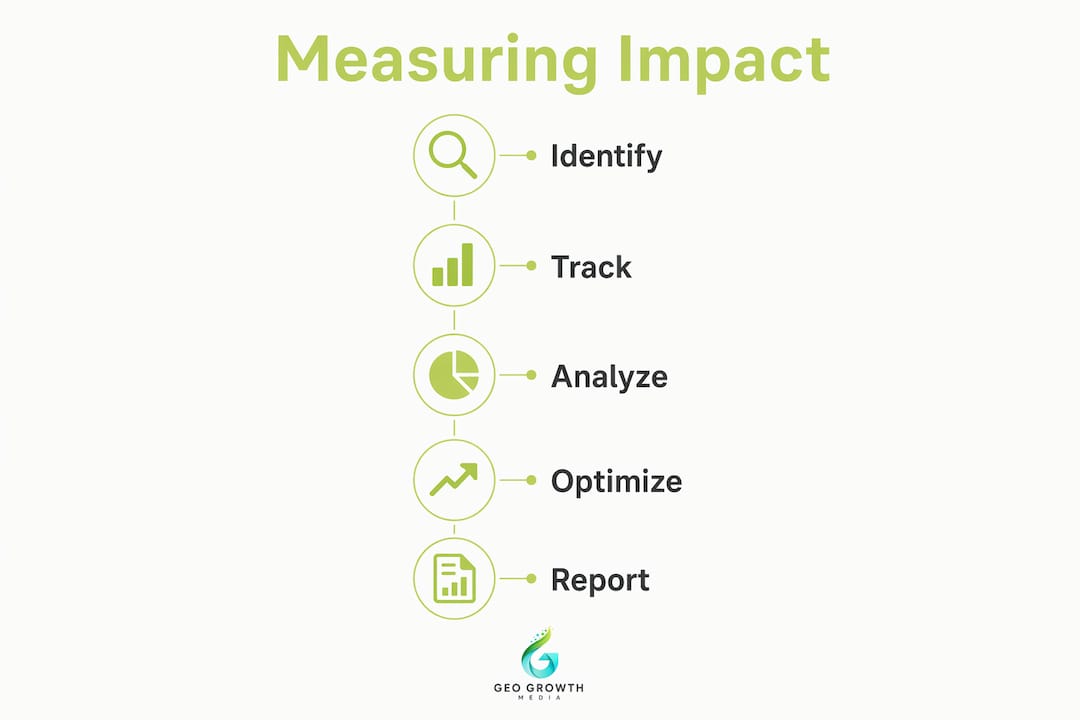
Measuring digital touchpoints accurately requires moving beyond last-click attribution. Multi-touch attribution models give a far more accurate picture of which touchpoints are actually driving conversions. Last-click attribution gives all the credit to the final interaction before purchase, which typically means paid search gets all the glory while awareness-stage content goes unrecognised.
The KPIs worth tracking across your touchpoints include:
- Engagement rate: Are people interacting with your content, emails, and ads?
- Conversion rate by touchpoint: Which channels are actually driving enquiries or sales?
- Customer retention rate: Are customers returning after their first purchase?
- Customer lifetime value (CLV): Are your touchpoints building long-term relationships or one-off transactions?
- Bounce rate and time on page: Are visitors engaging with your website or leaving immediately?
Tools like Google Analytics 4, Meta Ads Manager, and platforms such as HubSpot or Klaviyo allow you to track these metrics across channels. The challenge is connecting the data. A customer might discover you via a TikTok ad, research you on Google, and convert via an email. Without integrated tracking, you see three separate events rather than one connected journey.
Analytics in digital marketing can help you connect these dots and attribute value more accurately. The goal is not perfect attribution. It is good enough attribution to make better budget decisions.
What are the common challenges in managing digital touchpoints?
Most SMEs run into the same set of problems when managing digital touchpoints, and most of them are avoidable.
-
Fragmentation across teams. Marketing, sales, and customer support often manage touchpoints independently. The result is a disjointed experience where a customer receives conflicting messages from different departments on the same day.
-
Inconsistent brand presentation. Fonts, tone of voice, and messaging vary between your website, your ads, and your email templates. Customers notice this, even if they cannot articulate why it feels off.
-
Poor data quality. Personalisation only works if your data is clean. Duplicate contacts, outdated email addresses, and untagged leads make it impossible to deliver relevant communications at the right time.
-
Lack of accountability. When nobody owns a touchpoint, it deteriorates. Review request emails go unsent, chatbots give wrong answers, and landing pages go months without being updated.
-
Resistance to change. Teams that have always managed their own channels resist integration. This is a cultural challenge as much as a technical one, and it requires leadership to resolve.
Pro Tip: Implement a shared brand and UX guideline document before you tackle technology. Getting alignment on standards costs nothing and prevents the majority of consistency problems before they start.
Understanding digital branding principles gives your team a common language for these conversations and makes cross-team alignment far easier to achieve.
Key takeaways
The role of digital touchpoints is to shape every customer decision, and businesses that manage them consistently and with clear ownership convert more, retain more, and grow faster.
| Point | Details |
|---|---|
| Define your touchpoints by stage | Map awareness, consideration, conversion, and post-sale touchpoints separately to identify gaps. |
| Consistency builds trust | Inconsistent messaging across channels erodes customer confidence, especially among younger audiences. |
| Data powers personalisation | Every touchpoint feeds your CRM. Use that data to deliver relevant, timely communications. |
| Multi-touch attribution matters | Last-click models misrepresent which touchpoints drive value. Use multi-touch analysis instead. |
| Ownership prevents drift | Assign a named owner to each major touchpoint and review performance on a regular cycle. |
Geo Growth Media’s view on digital touchpoints in 2026
The conversation around digital touchpoints has shifted. A few years ago, SMEs were asking whether they needed a social media presence or a proper email programme. Now the question is whether all of those channels are working together or pulling in different directions.
What we see consistently at Geo Growth Media is that the SMEs pulling ahead of their competitors are not necessarily the ones with the biggest budgets. They are the ones who have made a deliberate decision about which touchpoints matter most for their customers and have invested in making those few work brilliantly. A well-structured Google Ads campaign feeding into a fast, clear landing page, followed by a well-timed email sequence, will outperform a sprawling presence across ten channels with no coherent thread.
The AI-driven personalisation tools now available to SMEs are genuinely exciting. Platforms like Klaviyo and HubSpot have brought capabilities to smaller businesses that were enterprise-only five years ago. But the technology only works if the underlying data is clean and the brand standards are consistent. We have seen businesses invest heavily in automation and get poor results because the foundations were not in place.
The honest truth is that most SMEs do not have a touchpoint problem. They have a prioritisation problem. Pick your highest-impact touchpoints, own them properly, measure them rigorously, and build from there. That approach will serve you far better than trying to be everywhere at once.
— Geo Growth Media
Take your digital touchpoints further with Geo Growth Media
If this article has prompted you to look more critically at how your brand shows up across digital channels, that is exactly the right instinct.
Geo Growth Media works with ambitious SMEs to build and manage digital marketing services that cover every major touchpoint, from SEO and Google Ads to paid social on Meta, TikTok, and LinkedIn, through to website design and development. We act as an extension of your in-house team, bringing the strategy, data, and execution needed to turn fragmented digital interactions into a consistent, conversion-focused customer experience. If you want to know where your touchpoints are losing you customers and what to do about it, get in touch.
FAQ
What is a digital touchpoint?
A digital touchpoint is any online interaction between a customer and your brand, including website visits, social media posts, emails, paid ads, and chatbot conversations. Each touchpoint influences how a customer perceives and engages with your business.
Why do digital touchpoints matter for SMEs?
89% of businesses now compete on customer experience, and digital touchpoints are the primary way SMEs deliver that experience. Poor touchpoints lose customers; well-managed ones build loyalty and drive conversions.
How many digital touchpoints does a customer use before buying?
The number varies by industry and product complexity, but customers typically interact with multiple touchpoints across several channels before converting. Multi-touch attribution tools like Google Analytics 4 help you map this journey accurately.
How do you improve consistency across digital touchpoints?
Create a shared brand guideline covering tone of voice, visual identity, and messaging standards. Assign clear ownership to each touchpoint and use a centralised CRM platform to keep communications aligned across teams.
What tools help manage digital touchpoints effectively?
Platforms like HubSpot, Salesforce, Klaviyo, and Google Analytics 4 are widely used to track, manage, and personalise digital touchpoints. The right choice depends on your team size, budget, and the channels you prioritise. You can also explore email marketing optimisation as a starting point for improving one of the highest-impact touchpoints available to SMEs.


.png)